


December is that time of the year when the table is always full , Jollof here, chicken there, small chops passing behind you. The harmattan breeze is blowing, visitors are coming, and everybody is eating more than usual. But while the food is plenty, the real secret to staying healthy and balanced this festive season is simple: Drink well. Stay hydrated. Choose healthier options. So instead of grabbing sugary drinks to enjoy your Christmas dishes every time, here are nutritious, refreshing, and easy-to-make healthy drinks that will keep your body refreshed all through the festive season. 1. Zobo & Pineapple Immune Booster (No Added Sugar) Zobo is one Nigerian drink that never disappoints. When paired with pineapple, ginger, and cloves, it becomes a powerful festive-season immune booster. Why It’s Perfect For The Season Harmattan can weaken immunity. Zobo is rich in Vitamin C, and Pineapple adds natural sweetness and improves digestion, while the ginger additive warms the body, especially in cold mornings. Health Benefits This drink supports heart health, reduces inflammation in the body and helps with digestion. Ideally, it is great for adults and kids. How To Make This drink also looks beautiful on a Christmas table, deep red, festive, and inviting. 2. Ginger-Lemon Detox Water This is the perfect drink for the morning after a heavy meal. It gives your system a fresh “reset” without stress. Why It’s Perfect For Christmas It helps reduce bloating after eating plenty of rice. Not just that, it boosts your immune system and it’s also great for the harmattan cough and dry throat. Health Benefits This drink is loaded with antioxidants, anti-inflammatory properties that fights free radicals on the body. More so, it helps in cleansing the digestive system, and supports weight balance. How To Make Tip: Drink a cup first thing in the morning during the festive period. Your body will thank you. 3. Watermelon & Mint Hydration Cooler With all the salty food, fried meat, and heat from cooking, you need hydration. Watermelon is 90% water. This drink brings balance. Why It’s Perfect For Christmas It soothes the body when everywhere is hot. Both adults and children can take it, and it’s nice for entertaining guests without sugar overload. Health Benefits This is a great hydrant drink which refreshes the body instantly. Rich in Vitamin A & C, and supports heart health. How To Make 4. Cucumber – Green Apple Freshness Drink This is a light, clean, and healthy drink that balances all the heavy festive food. Why It’s Perfect For Christmas Health Benefits This drink is low in calories and makes it a perfect one for weight loss. It high in fibre, and filled with antioxidants which helps to fight diseases in the body. Naturally, it is hydrating. How To Make This drink is perfect for afternoon relaxation after your Christmas cooking marathon. 5. Tigernut, Date & Ginger Drink (The Healthy Sweet Treat) If you want something creamy, sweet, and festive without the guilt of sugary drinks, this is the perfect one. Why It’s Perfect For Christmas It is no doubt a great healthy substitute for carbonated drinks. Naturally sweet, no sugar needed. When you take it, it keeps you full, nourished and satisfied. Health Benefits Need a drink to improve stomach health?+ Here is one. This tigernut mixed drink is good for gut health.High in fibre, and boosts energy. It is a nourishing treat for all ages. How To Make Christmas is for enjoyment, but balance is key. With these healthy drinks, you can enjoy the celebrations without feeling heavy, tired, drained or guilty of loading your body with sugar especially if you are a health conscious person. They keep your body refreshed, your skin glowing, and your energy levels up even as you go from party to party. With Iyaloja Direct, you can buy all these fruits and other food items at direct market wholesale price and enjoy your healthy treat this festive season without breaking the bank. Because we shop for many people at the same time, you enjoy fresh and quality food items all at wholesale price no matter the little you are buying. Join Iyaloja Direct weekly bulk foodstuff sharing from Mile12 and save up to 40% on food shopping. Shop directly at www.iyalojadirect.com/shop

Foreign Rice Vs Local Rice. Easy Ways To Differentiate Them
Have you ever stood in front of a rice seller with confusion or asked, “Is this local or foreign rice?”. Many buyers can’t tell the difference, and some sellers even mix both to confuse customers. Have you ever wondered between local and imported rice, which is better? But got no conviction? But don’t worry, we’re here to guide you as the Odogwu of Market Runs! Here’s How To Spot The Difference Between Foreign And Local Rice. 1. Appearance And Texture Foreign Rice (Imported) They are usually long-grain and uniform in size. Looks clean and polished with fewer broken grains. Some brands are parboiled, giving it a golden-yellow tint before cooking. They feel smoother and drier to the touch. Local Rice (Nigerian) Local rice often has shorter grains, with varying sizes and colors. You’ll likely see some broken grains mixed in. They may have tiny stones, husk particles, or sand, especially if not well-processed, and they feel more grainy and dusty to the touch. 2. Smell Foreign Rice They have a neutral or slightly processed smell. Some varieties may have a mild chemical or plastic scent, especially if stored long or bagged tightly. Local Rice They have a distinct “earthy” or nutty smell, particularly when raw. The fresher batches can even smell slightly sweet or smoky, especially if fire-dried. 3. Cooking Behavior Foreign Rice Imported rice cooks faster and stays firm and non-sticky. They do not absorb too much water, and the grains remain separate. Local Rice May require more washing to remove starch and dirt. They tend to be softer and stickier, especially if cooked like foreign rice, and they might take a little longer to cook depending on processing. 4. Price Foreign rice is often more expensive, though prices fluctuate based on import bans and availability. Local rice is usually cheaper, especially when bought in bulk or from trusted suppliers like Iyaloja Direct. Sometimes, buying rice at a cheap price does not mean it’s of less quality. Just ensure you buy from a trusted supplier. A QUICK HOME TEST Already bought rice and want to check? Follow these methods 1. Wash a small quantity, if the water is heavily cloudy and you find tiny stones or husks, it’s most likely local. 2. Cook a small portion, if it’s fluffy and dry with distinct grains, it’s foreign. If it’s softer and stickier, it’s local. In Summary Both Are Good! Foreign rice may look neater, but local Nigerian rice is nutritious, supports farmers, and tastes great when properly cleaned and cooked. Plus, you get to support local agriculture and reduce reliance on imports. Looking for the best wholesale rice supplier in Lagos for your Christmas or you want to gift someone rice this festive season without spending much? Are your organization or office gifting rice to staff this season? Want to save up to 40% on the cost of your foodstuff in Lagos? Join Iyaloja Direct Mile 12, Oyingbo and Ketu foodstuff sharing. Buy the small quantity you need, yet pay wholesale prices. We buy for many people at once, so you enjoy the benefits of bulk buying without having to actually buy in bulk. Shop now on our website Iyaloja Direct
Food Prep Hacks Every Person Should Know
Cooking is one of those things we all do, yet it can easily become overwhelming especially when life gets busy. Between work, family, school runs, deadlines, and daily responsibilities, many people find themselves too tired to start peeling vegetables or washing ingredients from scratch every cooking time. Truth is, most of the stress in the kitchen doesn’t come from the cooking itself, It comes from not being prepared. Food goes bad faster than expected. You buy vegetables today and they wilt tomorrow. You want to cook, but you realize the meat is still frozen. You open your fridge and don’t even remember what you stored last week. This is where food prep becomes a lifesaver. Food preparation simply means getting some things ready ahead of time so cooking becomes easier, faster, and more enjoyable. It helps you save time, reduce food waste, stretch your budget, and avoid last-minute stress. Whether you are a student, a parent, a chef, a working professional, or someone managing a busy household, food prep helps you stay organized and eat better with less effort. With a few simple tricks, you can turn your kitchen into a place that works for you, not against you. Here are practical food prep hacks anyone can start using today. 1. Wash And Prep Veggies In Batches Instead of washing veggies one by one every day, wash everything once and store properly. Rinse and pat dry leafy greens before storing or wash, slice and blanch and place in a ziplock bag before storing in the freezer. Wash peppers and tomatoes, blend and store properly. 2. Pre-Cook And Freeze Proteins Season and parboil your chicken, beef, or fish ahead of time. Portion and freeze. On cooking day, you thaw and use; no long boiling time. 3. Chop Your Onions Ahead If cutting onions slows you down in cooking, chop a batch once, store in airtight containers, and use as needed. 4. Parboil Or Half-Cook Foods Food Items like rice, beans, and yams can be cooked halfway and stored. When it’s time to cook, the hard part is already done. 5. Cut, Peel Tubers And Store After cutting either your yams or potatoes, soak in cold water to keep them from browning. You can as well freeze them in batches. 6. Store Your Oils Properly And In Batches Keep cooking oils in cool, dark places to maintain freshness. If you buy in bulk, divide into smaller bottles so you would not find it difficult taking the quantity you need during cooking. 7. Prep Your Spices Once You can mix common spices into small jars and keep. Make a garlic – ginger paste by blending both and freeze in small portions. This saves you from peeling and grinding every time you cook. 8. Label Everything Labeling containers with dates and names saves you from guessing. It also helps you to know what to use before it spoils. Food prep is one of the simplest ways to reduce stress and enjoy cooking more. With just a few small habits, you can save hours every week, keep food fresher, reduce waste, and make mealtime a lot easier. You don’t have to do everything at once. Start with one or two hacks and build your routine gradually. Soon, your kitchen will feel more organized, and cooking will become something you look forward to, not something you rush through. Want More Helpful Hacks Like This? Subscribe to IyalojaDirect/blog and follow us on our Instagram page @IyalojaDirect_ng
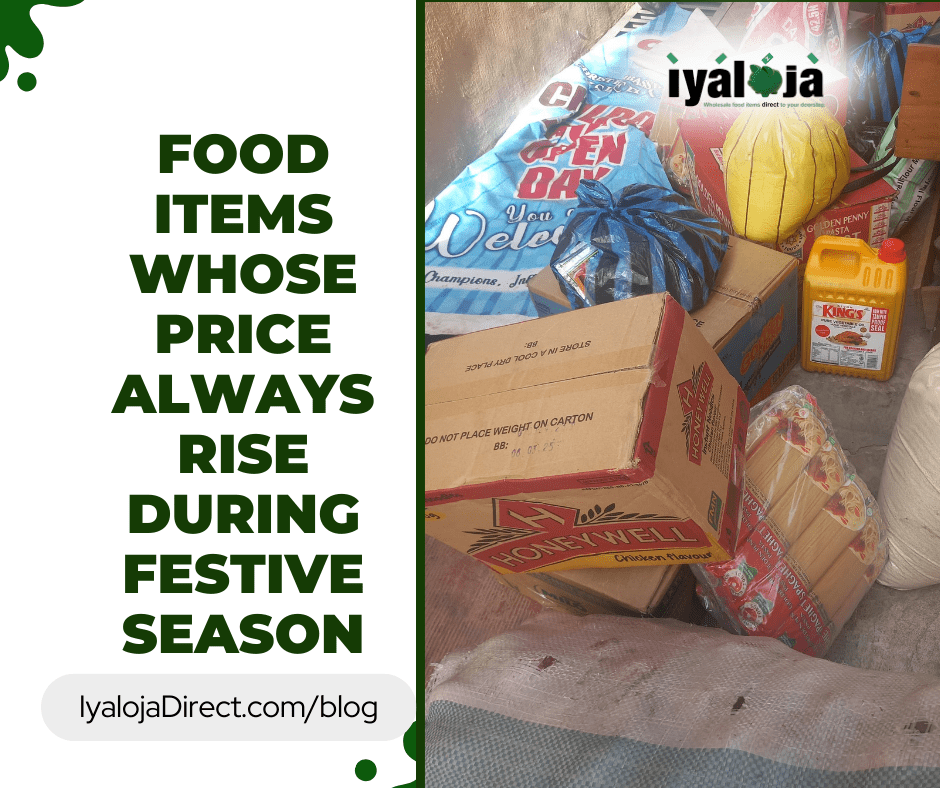
5 Food Items That Shoot Up In Price During Festive Seasons
It’s that time of the year again. Christmas and New Year are around the corner. The lights, the carols, the family gatherings, the endless cooking… but also the one thing every shopper fears: food price increase. Frozen chicken that seemed affordable past weeks can suddenly turn to “gold.” Tomatoes, onions, and even vegetable oil prices may start acting funny. By the time you’re done shopping, your budget has doubled, and there’s still half the list left. This is just the truth: these price hikes are not magic. They happen for specific reasons….increased demand, transportation pressure, and market assumption. But, the good news is, you don’t have to be a victim every festive season. If you know what items usually go up and how to prepare, you’ll save yourself stress and money. Here are 5 food items whose prices always rise during festive seasons and how you can stay ahead of the market. 1. Rice Rice is the king of festive meals. Whether local or imported, the price changes during this period. It can be eaten as jollof, fried, coconut, or plain white with stew. Because demand rises in December, sellers take advantage to increase prices. Import restrictions and transport costs also play a role. It’s always advisable to buy your rice at least 3-4 weeks before the festive rush. Store it in a cool corner or dry container to prevent weevils. 2. Chicken And Meat No Christmas is complete without chicken or meat. Unfortunately, everyone wants it at the same time. Farmers and sellers know this and adjust prices. Transport and cold storage issues add more cost. To avoid the price hike, buy early and freeze. If you don’t have a freezer, consider smoked chicken or dried meat (kilishi, ponmo) which last longer. 3. Tomatoes And Fresh Pepper These are always in high demand for stews, soups, and party meals. If supply falls, say, because of fewer trucks from the suppliers, prices shoot up. It is better to buy in bulk before the season, blend, boil, and store in jars or freeze. Alternatively, dry your tomatoes and peppers for long-term use. 4. Onions Onions are in almost every meal, and they often add in price during festive seasons. Poor storage and long-distance transport can also reduce supply, making prices go up. You can buy in bulk early, keep in a cool, ventilated basket and avoid mixing with potatoes to prevent spoilage. They will stay fresh for months without spoilage. 5. Vegetable Oil From frying meat and puff-puff to cooking stews, oil demand increases during Christmas and New Year. Import costs and festive hoarding make it even worse. It is better to buy in advance. Buy sealed kegs of oil. It stores well for months if kept in a cool, dry place. The secret to avoiding festive price foodstuff hikes is planning and timing. Don’t wait until Christmas week to shop. Buy shelf-stable and freezable items weeks earlier, preserve them properly, and only leave the very fresh items (like vegetables) for last-minute shopping. At Iyaloja Direct, we take the stress of ‘market runs’ off our customers by doing their foodstuff shopping for them and giving them unbeatable prices they won’t get in their neighbourhood markets. Because we shop for many customers at the same time, they pay wholesale price regardless of how small they are buying. Join our foodstuff sharing groups to beat the market rush and enjoy wholesale prices on your foodstuffs no matter how small, or order on our website www.iyalojadirect.com/shop and shop smartly.
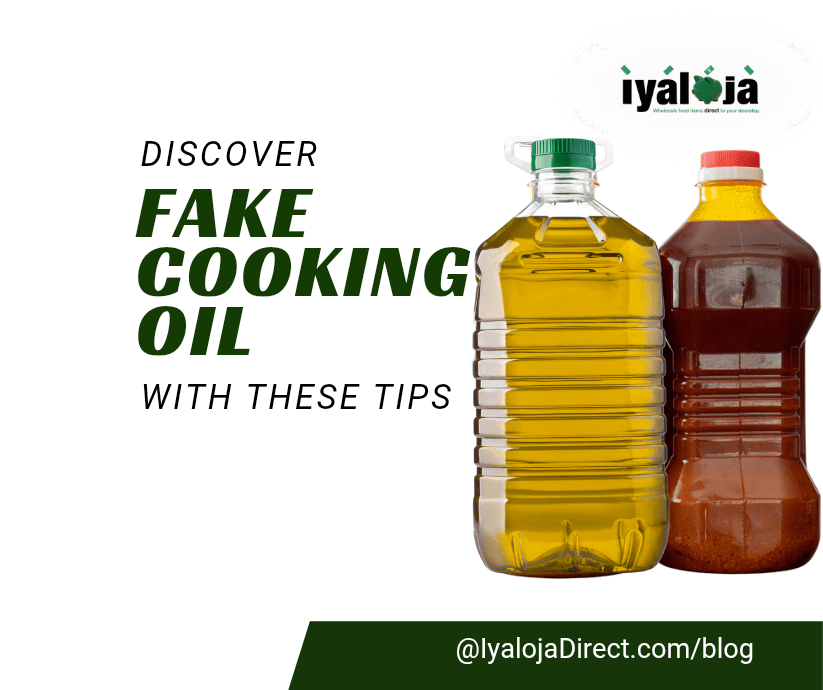
How To Discover Fake Cooking Oil
These days, you have to shine your eyes before buying cooking oil in the market. The rate at which fake and adulterated oil is circulating is really alarming. From vegetable oil mixed with dye, to palm oil diluted with chemicals. Many families don’t even know they are using fake oil until it starts affecting taste, smell, or health and this is really concerning. Before you add that oil to your bag or pour it into your pot, here are simple ways to quickly identify fake cooking oil and protect your home from health risks. 1. Check The Packaging And Seal Always start by looking at the container. Original oils come in well-sealed containers with clear labels, NAFDAC number, production and expiry dates. If the label looks roughly pasted or the seal is broken, leave it. Some sellers go the extra mile to refill branded containers with fake oil m, so don’t rely on packaging alone. Shake the container gently, if bubbles refuse to settle or the container feels sticky, it might have been refilled or mixed. Take caution! 2. Don’t Fall For Cheap Prices We all like bargains, but when oil is too cheap, something is off. Fake or adulterated oil often sells for much less than the market price. Before buying, check the normal price of that oil brand. If one seller is offering it for half the price, that’s a red flag. 3. Look At The Color And Clearness Good refined vegetable oil is usually light yellow or golden and very clear. Palm oil should be bright red or deep orange, not dull or brownish. If it looks cloudy, watery, or has particles floating inside, don’t buy. Some fake oils are mixed with dye, kerosene, or recycled oil, very dangerous for your health! 4. Smell And Feel It A quick sniff can save you trouble. Fresh oil smells either neutral (for vegetable oil) or naturally fruity (for palm oil). But if it has a sharp, chemical, or sour smell avoid it. When you touch it, genuine oil feels smooth, not sticky or slimy. 5. The Small Home Test After buying, pour a small spoon of the oil into a frying pan and heat gently. If it starts smoking heavily, gives off a harsh smell, or turns black quickly, that oil is fake or mixed. Real oil warms up nicely and stays golden. Why Is Fake Oil Dangerous? Fake oil doesn’t just spoil your food; it can harm your health. It can cause stomach pain, food poisoning, and long-term issues like heart or liver problems because of the chemicals and impurities inside. That’s why it’s better to buy from trusted sources that value your health and ensure their products are genuine. The Big Question: Where To Buy Safe Oil? At Iyaloja Direct. We source directly from verified suppliers and trusted oil producers. Every oil whether vegetable, groundnut, or palm is properly sealed, inspected, and stored. No refills, no added substance. You get real value for your money and peace of mind knowing you are eating safe. To order and save up to 40% money, visit www.iyalojadirect.com/shop and place your order Or, join our various foodstuff sharing groups and enjoy massive savings and doorstep delivery to any location in Lagos.
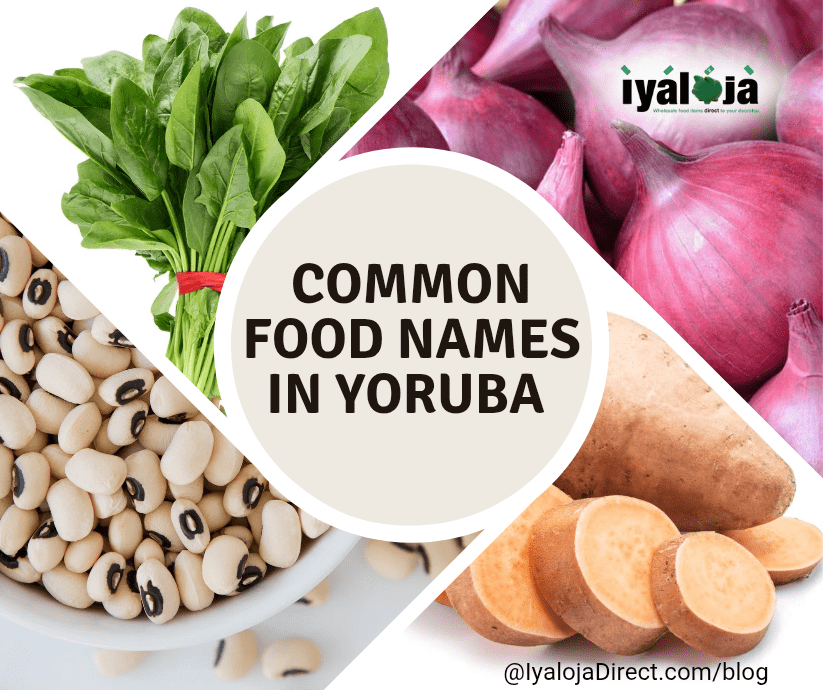
Common Food Names In Yoruba
Ever gone to the market and the seller says “Madam, eja kika wa ni?” and you stand there blinking, trying to understand what was said. Funny right?, but the truth is; many of us grew up mixing English food names. Knowing both names makes shopping easier, and it’s a fun way to stay connected to our roots. Whether you’re a market regular or someone who orders food online, this guide will help you identify what’s what the next time you’re shopping for fish, fruits, or vegetables especially in Yoruba land, precisely Lagos. Why Knowing Yoruba Food Names Matters Aside from impressing your market woman, knowing food names with their local names has real benefits. 1. Cultural Connection It helps preserve food heritage. 2. Market Advantage You’ll avoid buying the wrong item or getting overpriced. 3. Smarter Cooking You’ll understand recipes better, especially those shared by your aunties or food bloggers. 4. Family Learning Kids can learn both English and local names early, making them bilingual in kitchen talk. Let’s explore some common foods and their local names in Yoruba. Common Fish And Their Yoruba Names Common Fruits And Their Yoruba Names Pro tip: Buy fruits in season, they’re cheaper, juicier, and taste fresher. Common Vegetables And Their Yoruba Names Common Roots, Tubers, Grains And Their Yoruba Names Common Herbs, Spices, Condiments And Their Yoruba Names In Conclusion Yoruba markets are full of poetic names. For example, Efo elewe dudu means “dark leafy vegetable,” while “Eja to lagbara” means “meaty fish.” It is important to know that some names differ slightly by region. “Efo Tete” in Lagos may be called something different in Ibadan. Food names may sound funny, but they carry stories, culture, and history. Now that you know both English and Yoruba food names, your next market visit will be smoother than ever, right? You’ll talk like a pro and buy with confidence “Iya Risi, e fun mi ni kilo kan eja kika ati efo tete jare!” lol! Knowing your local food names is a small but powerful way to stay connected to our roots while embracing modern living. Stay connected with Iyaloja Direct for more food information, tips and hacks. Want to save up to 40% on the cost of your foodstuff in Lagos? Join Iyaloja Direct Mile 12, Oyingbo and Ketu foodstuff sharing. Buy the small quantity you need, yet pay wholesale prices. We buy for many people at once, so you enjoy the benefits of bulk buying without having to actually buy in bulk. Shop now on our website: Iyaloja Direct
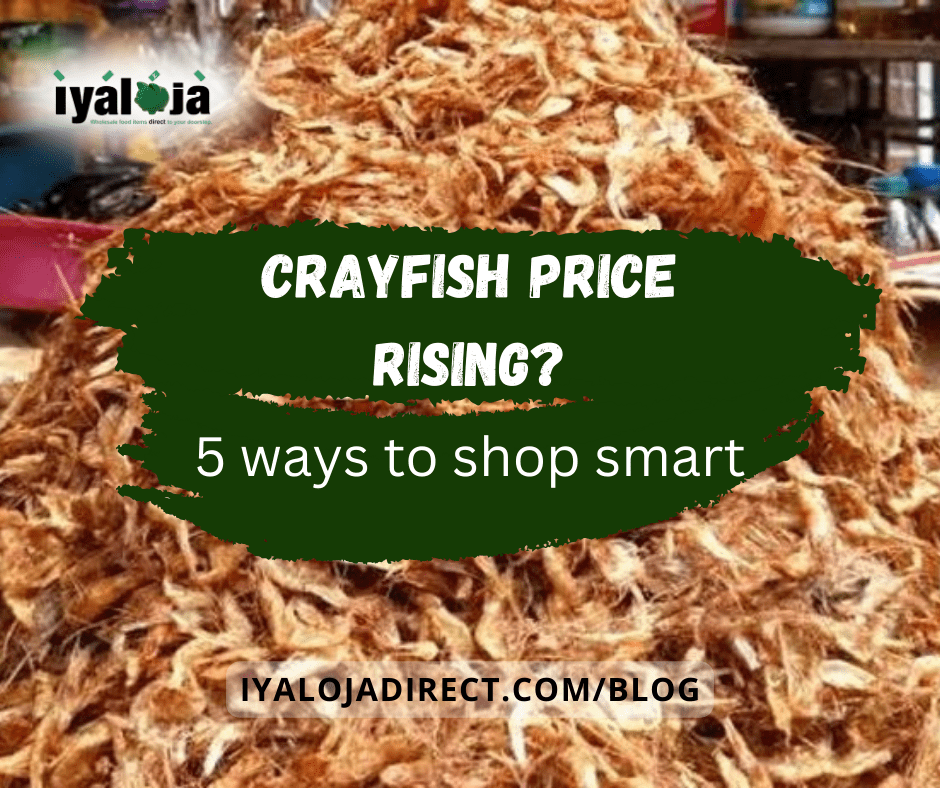
Why Crayfish Price Is Rising And How You Can Beat The Hike
Have you entered the market lately to buy crayfish? The way the price is flying eh, you’ll almost ask the seller, “Is this crayfish or gold?” Many families, caterers, and food sellers are feeling the heat. What used to be a staple ingredient in almost every Nigerian meal is now beginning to look like a luxury.Wondering what’s really causing the price hike, and how you can still enjoy your delicious soups and stews without finishing all your money? Let’s talk about it. Why Crayfish Price Keeps Increasing Crayfish is one of the food ingredients that hardly misses in a Nigerian kitchen. From egusi to okra soup, stew, jollof rice, or sauce, it adds that unique taste that no seasoning cube can replace. But the current price situation didn’t just come from nowhere.Here are some simple reasons behind it: 1. Seasonal Supply Crayfish isn’t harvested all year round. During off-seasons or rainy periods, supply reduces drastically, and when supply drops, price goes up…just a simple market logic. 2. Transport And Fuel Costs Getting crayfish from coastal areas like Oron, Bayelsa, or Akwa Ibom to other states costs a lot these days. Fuel and transport hikes affect the final price in the market. 3. Export And High Demand Nigerian crayfish is in high demand even outside the country. More exports mean fewer crayfish available locally, which pushes the price higher. 4. Poor Storage And Wastage Crayfish is delicate. If not dried and stored properly, it can spoil quickly. It is important to always dry and preserve crayfish very well to avoid spoilage. Sellers lose part of their stock and increase prices to cover up the loss.So, what ways can be adopted to avoid bern affected by the price hike? Let’s see Smart Ways To Beat The Price Hike Of Crayfish Let’s talk about solutions because sitting to complain won’t fill the pot! Here are smart ways to manage the crayfish situation and still enjoy your meals without getting affected by the price increase. 1. Buy In Bulk And Store Well Buying small sachets daily or a derica cup measurement weekly costs more in the long run. It’s cheaper to buy in bulk when the price drops and store it properly in airtight containers. Keep it away from moisture and sunlight to make it last longer. 2. Buy Early Before Peak Season If you can, plan your purchases before the festive rush or rainy season. Early buyers always get better prices and better quality. 3. Buy From Trusted Suppliers Buy from people or businesses known for clean, dry, and original crayfish. That way, you’re sure of quality and zero waste, and avoid paying high for fake or mixed products. 4. Mix Smartly In Your Cooking You don’t always need plenty of crayfish in every meal. A little can go a long way if you season well. You can also mix with dried prawns, fish powder, or natural spices for a rich flavor. 5. Partner With Bulk Suppliers If you run a restaurant, catering service, or family kitchen, ordering through bulk food suppliers like Iyaloja Direct can help you get better prices and stress-free delivery. You save time, money, and energy. On a final note, food prices might keep changing, but smart shoppers know how to stay ahead. The trick is planning early, buying smart, and storing right.If you’re an individual, family, or organization planning a celebration/ party this season, this is the best time to order your food items, including crayfish before prices rise again.At Iyaloja Direct, we help you buy in whatever quantity you need at direct wholesale market price from Oyingbo and Mile 12 markets and deliver to your doorstep saving you money, time and market stress. Visit www.iyalojadirect.com/shop and place your order .

A Customer’s Unbelievable Shopping Experience At Iyaloja Direct
If there’s one thing everyone is feeling these days, it’s the stress of food shopping. Prices are rising, markets are crowded, and finding fresh, quality food items without spending the whole day outside has become a challenge for many families, busy professionals, and even organizations.That’s why nothing excites us more than hearing from customers who have finally found relief, people who used to worry about market runs but now enjoy affordable, fresh food items delivered straight to their door without any wahala.One of our customers shared her full shopping experience with us, and her words perfectly describe what we stand for: affordability, transparency, honesty, quality, and peace of mind. Here’s Her Story “From start to finish, my experience with Iyaloja Direct has been nothing short of amazing! I initially had some trouble setting up my password on the website, but their customer care team was incredibly helpful and made the process so simple and smooth. That alone gave me a good first impression.When it came to placing my order, I had quite a number of questions (honestly, I thought they’d get tired of me!), but the response was always prompt, professional, and polite. Whoever handled my inquiries deserves a shoutout top-tier customer service!Now to the delivery: I placed my order on a Wednesday morning, and by Friday, it was already at my doorstep. The rider who delivered my items was so courteous, neat, and professional. He even helped bring everything down from the car and ensured all was in order. I was genuinely impressed—not just with his demeanor, but his presentation as well.As I began unpacking, I was blown away. Every single item I ordered was there, nothing missing including some extras I asked them to help me get. The attention to detail was so refreshing. I was so excited that I forgot to take pictures before everything landed in the kitchen and I jumped into organizing mode!Even the pepper which I thought would be small given how much I ordered was quite generous. The chicken and fish weren’t cut as I had requested, but they were fresh, well-sized, and of excellent quality, so I didn’t even mind.On top of all this, their pricing was very reasonable. After the delivery, I received a follow-up message via WhatsApp confirming my order and checking in. That extra touch of professionalism really sealed the deal for me.Iyaloja Direct, thank you! You’ve gained a loyal customer in me. I’ll definitely be back”.-Owie Anita We love hearing stories like this because they show that you don’t have to break the bank to enjoy wholesome fresh and quality foods, and that food shopping doesn’t have to be stressful at all. With the right hands, it can be affordable, simple, fast and enjoyable.If you’ve been looking for ways to save money on foodstuffs buying, while avoiding Lagos traffic and market stress, this is your sign to join Iyaloja Direct weekly Mile12 bulk foodstuff sharing. Let us also help you shop smart, save money, save time and save stress while enjoying doorstep delivery in Lagos Nigeria.

The Easy Guide To Meal Planning
Be honest, how many times this week have you asked, “What are we cooking today?” If you’re like most families or busy individuals, meal decisions can feel like a daily struggle. Between work deadlines, school runs, and tight budgets, food planning often takes the back seat. Then before you know it, you’re overspending, wasting ingredients, or ordering takeout again. But do you know you can actually enjoy home cooked meals, save money, and reduce kitchen stress with just a bit of planning? That’s what monthly meal planning is all about. In this article, we will show you how to: Let’s go What Exactly Is Meal Planning? Meal planning simply means deciding what you’ll eat ahead of time and organizing your shopping around it so you are not confused or stressed when it’s time to cook. It’s not complicated, it’s about being intentional. When you plan your meals, you stay organized, save time, save money, reduce stress, avoid food waste, and eat better. Why Meal Planning Matters Meal Planning helps you stay organized, save money and eat better without stress. When you already know what you’ll cook and have your ingredients prepared, you avoid last-minute rushing, unnecessary spending, and unhealthy food choices. It also reduces food waste because you buy what you need and use everything wisely. How To Plan Your Meals 1. Start With Your Household Needs A good meal plan fits your home’s unique lifestyle. Consider the number of people you’re feeding, any special dietary needs, busy workdays or school days, favorite family meals. You can ask your family for meal ideas before finalizing your plan. It helps reduce food complaints and ensures everyone looks forward to mealtime. 2. Make A List Of Meals You Love You don’t have to invent new recipes everyday. Write out what your household enjoys, breakfast, lunch, and dinner, and rotate them. Having a meal list helps you create variety and avoid eating the same thing over and over. 3. Create A Smart Shopping List Once you’ve written your meals, list everything you need. Break it into dry food items, seasonings, oil, proteins, vegetables, tubers, breakfast and extras like milk, oats, tea, sugar, snacks etc. Buying in bulk saves money, especially when you use trusted food suppliers like Iyaloja Direct make it easy for families, individuals, and organizations to buy food items at wholesale prices no matter the quantity, and have them delivered straight to their doorstep; no market stress, no over paying. 4. Store Food Properly Good storage is the heart of meal planning. If food spoils easily, all your effort goes to waste. During the rainy season, store dry grains in airtight containers with bay leaves to prevent insects . Freeze meat and fish in small portions to make defrosting easy. Wash, chop, and freeze vegetables in zip bags or containers. Keep soups, stews, and sauces in labeled containers to track what’s inside. Store oil and spices in a cool, dry place. Know foods to keep together to avoid easy spoilage. When your kitchen is well-organized, cooking becomes easier and faster. 5. Prep Some Items Ahead Do small parts of your cooking before you actually need the meal. It helps you save time, reduce stress, and make cooking easier during the week. Prepping ahead can be as simple as washing and cleaning vegetables, meat and grains, chopping onions, tomatoes, blending your pepper mix and storing it, and parboiling foods like beans, rice or protein. You can prepare soups, stews, or sauces in large quantities and store them in smaller containers. On busy days, just warm, serve, and go. This saves time, energy, and gas, and keeps you from ordering unhealthy fast food when you’re too tired to cook. 6. Plan Using A Monthly Calendar Now, put everything together in a simple meal calendar. You can use a notebook, printed chart, or a meal planner app. Rotate your menu weekly 7. Review And Adjust Each month, check what worked and what didn’t. Maybe you ran out of certain ingredients too early, or your family didn’t like a particular meal. Adjust your list, refine your plan, and keep improving. Food planning isn’t about perfection, it’s about being prepared. When you know what to eat, buy in bulk, and store properly, you save money, reduce stress, and make your kitchen run smoothly. Don’t wait until the pot is empty before thinking of what to cook. Ready To Plan Your Meals And Make Food Shopping Easier? Start your meal plan today, and if you want to make it even easier, let Iyaloja Direct handle your food supply. Join hundreds of smart shoppers in Lagos at Iyaloja Direct Mile12 bulk foodstuff sharing groups and buy the foodstuffs you need, no matter how small at wholesale price. You can directly place your order at www.iyalojadirect.com/shop, and get them delivered to your doorstep anywhere in Lagos.
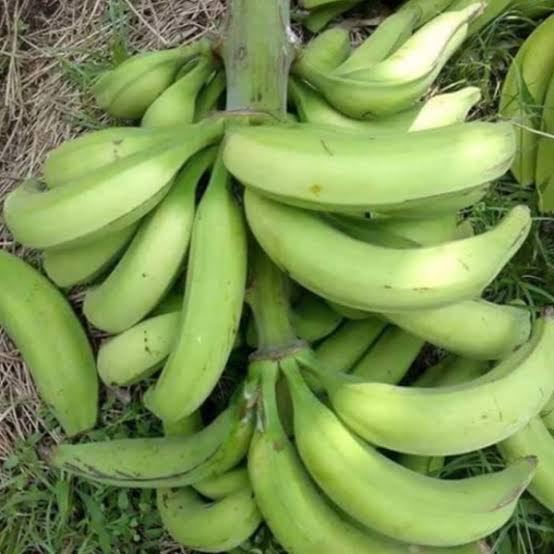
Stop Your Plantains From Over-Ripening In 4 Easy Ways
You buy plantain today, thinking you’ll enjoy it over the week, some fried, some boiled, maybe roasted. But before you know it, all of them are soft, black, and almost impossible to use for the purpose. Plantains ripen quickly, especially in warm climates, but there are different ways to slow it down. Let’s explore together. To delay the ripening process of your Plantains, here are a few things that can make a difference: 1. Separate The Bunch When plantains are kept together in a bunch, they release more ethylene gas; a natural gas fruits produce that speeds up ripening. The gas circulates among the bunch, making every plantain ripen at the same time. By separating them, each plantain ripens at its own pace, giving you more time to enjoy them one after the other. 2. Store In A Cool, Ventilated Place Heat makes plantain ripen faster. That’s why if you leave them in a hot kitchen or inside a nylon bag, they soften quickly. Plantain needs good air circulation. To make them not to ripen fast, the best place to keep them is in an open basket, wooden rack, or spread them out on a tray in a cool corner of your house. This slows down the ripening. 3. Wrap The Stems The stem is the main point where ethylene gas is released. If you cover it, you reduce the amount of gas spreading to the rest of the fruit. You can use cling film, plastic wrap, or aluminum foil to wrap the stem of each plantain finger. This small trick can add several extra days before they fully ripen. 4. Freeze When Ripe When your plantain starts ripening, don’t wait until it’s too late. Freezing stops the ripening process completely. Just peel off the skin, slice into desired sizes, and put them in a ziplock bag or container. When you’re ready, just take them out and use them. This is perfect for frying, boiling, or blending into plantain recipes. With these simple hacks, you won’t have to rush to finish plantain or throw away money on wasted food again. Wondering Where To Buy Cheap Plantains in Lagos? If you live in Lagos, join Iyaloja Direct’s weekly bulk foodstuff sharing from Mile 12 and save up to 40% on food shopping. It’s not just plantains, but foodstuffs, groceries, fruits, vegetables and provisions. The best part? You get your items at wholesale bulk prices because we buy for so many people at once. What are you waiting for? Shop now at www.iyalojadirect.com/shop and enjoy the best price, best quality and best service, only by Iyaloja Direct.