Have you ever stood in front of a rice seller with confusion or asked, “Is this local or foreign rice?”. Many buyers can’t tell the difference, and some sellers even mix both to confuse customers. Have you ever wondered between local and imported rice, which is better? But got no conviction? But don’t worry, we’re here to guide you as the Odogwu of Market Runs!
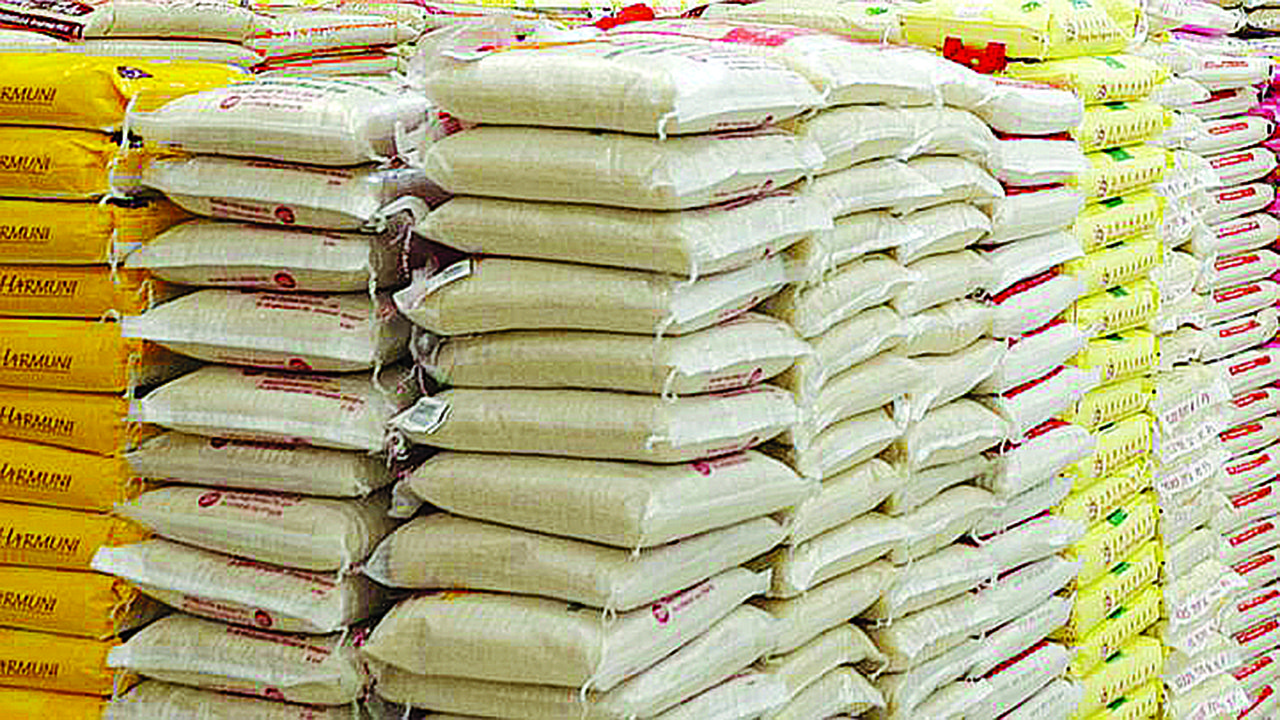
Here’s How To Spot The Difference Between Foreign And Local Rice.
1. Appearance And Texture
Foreign Rice (Imported)
They are usually long-grain and uniform in size. Looks clean and polished with fewer broken grains. Some brands are parboiled, giving it a golden-yellow tint before cooking.
They feel smoother and drier to the touch.
Local Rice (Nigerian)
Local rice often has shorter grains, with varying sizes and colors. You’ll likely see some broken grains mixed in.
They may have tiny stones, husk particles, or sand, especially if not well-processed, and they feel more grainy and dusty to the touch.
2. Smell
Foreign Rice
They have a neutral or slightly processed smell. Some varieties may have a mild chemical or plastic scent, especially if stored long or bagged tightly.
Local Rice
They have a distinct “earthy” or nutty smell, particularly when raw. The fresher batches can even smell slightly sweet or smoky, especially if fire-dried.
3. Cooking Behavior
Foreign Rice
Imported rice cooks faster and stays firm and non-sticky. They do not absorb too much water, and the grains remain separate.
Local Rice
May require more washing to remove starch and dirt. They tend to be softer and stickier, especially if cooked like foreign rice, and they might take a little longer to cook depending on processing.
4. Price
Foreign rice is often more expensive, though prices fluctuate based on import bans and availability.
Local rice is usually cheaper, especially when bought in bulk or from trusted suppliers like Iyaloja Direct.
Sometimes, buying rice at a cheap price does not mean it’s of less quality. Just ensure you buy from a trusted supplier.
A QUICK HOME TEST
Already bought rice and want to check? Follow these methods
1. Wash a small quantity, if the water is heavily cloudy and you find tiny stones or husks, it’s most likely local.
2. Cook a small portion, if it’s fluffy and dry with distinct grains, it’s foreign. If it’s softer and stickier, it’s local.
In Summary
Both Are Good!
Foreign rice may look neater, but local Nigerian rice is nutritious, supports farmers, and tastes great when properly cleaned and cooked. Plus, you get to support local agriculture and reduce reliance on imports.
Looking for the best wholesale rice supplier in Lagos for your Christmas or you want to gift someone rice this festive season without spending much? Are your organization or office gifting rice to staff this season? Want to save up to 40% on the cost of your foodstuff in Lagos?
Join Iyaloja Direct Mile 12, Oyingbo and Ketu foodstuff sharing. Buy the small quantity you need, yet pay wholesale prices. We buy for many people at once, so you enjoy the benefits of bulk buying without having to actually buy in bulk.
Shop now on our website Iyaloja Direct